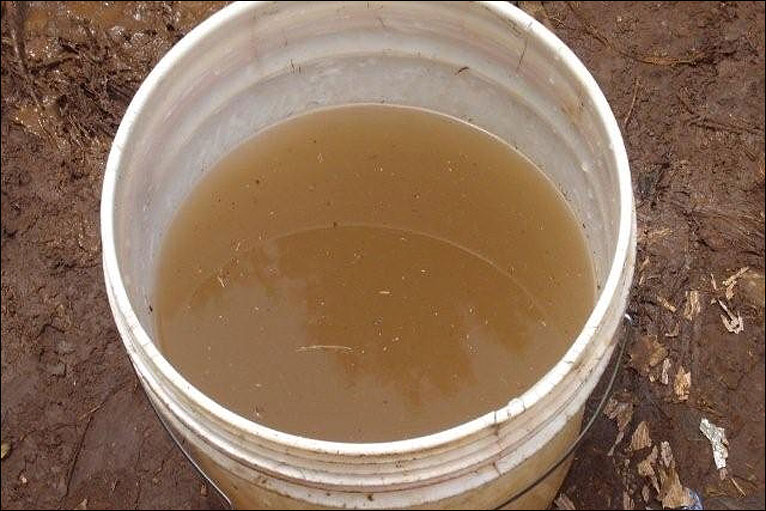
Providing adequate supplies of good (potable) water to the world’s growing population continues to be the number one health related issue in developing and third-world countries. The need is not just for drinking water, but to provide ample supplies of clean, potable water for daily needs of towns and villages for bathing, laundry, and cooking so that water related diseases and illnesses are – once and for-all – eradicated.
• 3.575 million people die each year from water-related disease.
• 43% of water-related deaths are due to diarrhea.
• 84% of water-related deaths are in children ages 0 – 14.
• 98% of water-related deaths occur in developing countries.
• At any given time, half of the world’s hospital beds are occupied
by patients suffering from a water-related disease.
In many cases it isn’t that water is in short supply. Rather, sources of water maybe plentiful but the capability to purify the existing water supply is limited or non-existent.*
Seen vs. Unseen
Even when the water “looks clean”, in many cases it contains unseen organisms and bacteria such as e-coli, parasites, cholera, etc. Other factors can affect the purity of water such as human handling and unclean transportation.
 pwiwater.org